
Understanding the Fundamentals
Texas Mineral Rights
Many people who own mineral rights inside Texas, actually live outside Texas. Often, the oil and gas rights were inherited from family members who once owned land in the Lone Star State. Others receive small oil and gas royalty checks and want to understand their options. There are many complexities to owning oil and gas royalties. These include getting an accurate value of your rights, getting a fair and fast offer from a company that buys mineral rights in Texas, and finally consummating the sale.
At Harbor Energy, we are a top-rated company that buys mineral rights and royalties based in Texas. Ironically, many people who come to us to sell their TX mineral rights live outside the state. We help owners across the country who want to sell their rights via a fair and fast process. We buy mineral rights. To evaluate value and create a fair offer, our team uses production data, county records, and current market conditions to provide a fast and fair offer.
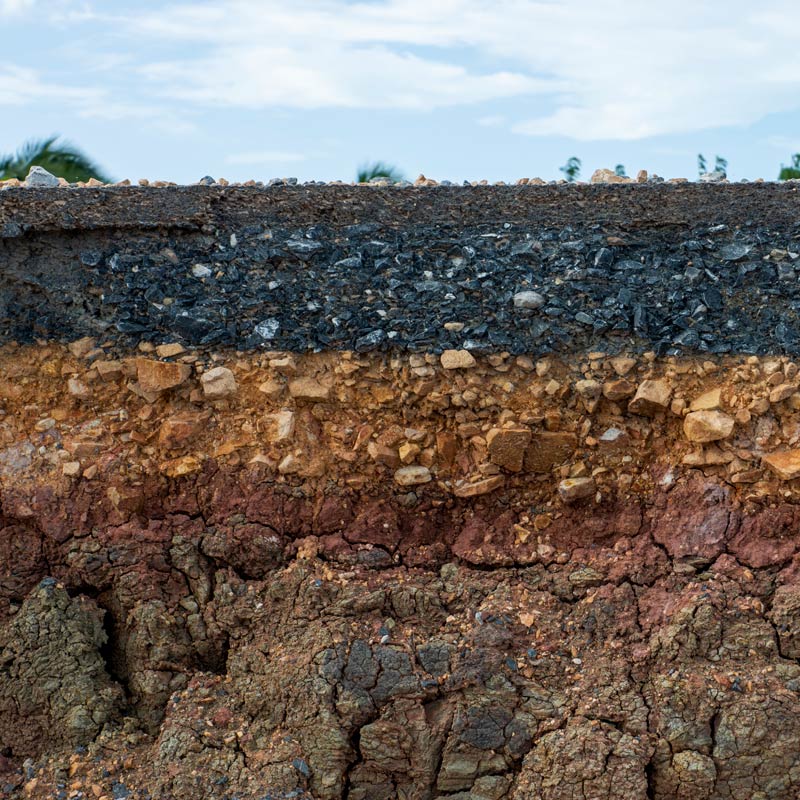
How Much are Mineral Rights in Texas Worth?
Texas has been one of the most important oil and gas-producing states in the United States for more than a century.
A few quick facts about Texas energy production:
- Texas is the top producing state in the USA for oil and gas. You can learn more about that, here.
- Here’s another statistic: “Since at least 1970, Texas has consistently led all states in crude oil production. Today, Texas contributes 42 percent of the nation’s crude oil. The state’s 32 petroleum refineries — the most of any state — yield a refining capacity exceeding 5.9 million barrels of crude oil per day, which is equivalent to one-third of the nation’s total refining capacity” (Source).
- The Texas oil and natural gas industry paid $27.0 billion in state and local taxes and state royalties in fiscal year (FY) 2025—the second-highest total in Texas history. (Source).
Finding a Company that Buys Texas Mineral Rights
Mineral rights may generate oil and gas royalties, They may have value based on nearby drilling activity. If you would like to know:
- “What are my mineral rights in Texas worth?”
- “How do I sell my oil and gas royalties?”
- “Are there companies that specialize in Texas-based mineral rights?”
Our team will help you understand how this all works. We are a family-owned business. We can help value your oil and gas rights and make a fair, fast cash offer. We a top-rated, local company that buys Texas mineral rights at fair and fast values.


Texas Counties Known for Oil and Gas Production
Oil and gas are not present in all Texas counties. Some counties have more assets than others. For that reason, we are keen to value oil and gas rights in the following counties. (We will also provide a value and cash offer on assets elsewhere, however).
Major Oil and Gas Counties in Texas:
According to the Texas Railroad Commission data for December 2025, the following counties produced the most crude oil:
- Martin: 21,192,493 barrels (Permian Basin)
- Midland: 18,637,326 barrels (Permian Basin)
- Upton: 9,125,561 barrels
- Loving: 8,239,381 barrels
- Reeves: 6,315,034 barrels
- Karnes: 5,480,397 barrels (Eagle Ford Shale)
- Reagan: 5,268,902 barrels
- Howard: 5,259,656 barrels
- Andrews: 4,950,409 barrels
- Glasscock: 3,746,883 barrels
Even non-producing mineral rights may have value. This is often due to nearby wells or future exploration plans. Our team regularly reviews mineral interests across Texas. We can help figure out what your ownership rights may be worth.
What Are My Texas Mineral Rights Worth?
How much are your TX mineral rights worth? The answer, of course, is “it depends.” It depends where they are. What they are producing. And the value of the asset itself. Being near to producing fields can also factor in.
Here’s a quick list of additional factors that might influence your value:
Location of the minerals
Mineral assets in or near active drilling areas. Texas is home to major oil and gas fields, with the Permian Basin in West Texas and the Eagle Ford Shale in South Texas being the most prolific. Other major plays include the Barnett Shale, Haynesville Shale, and the historic East Texas Field, contributing to Texas as the leading U.S. producer. (Source).
Current production
Obviously, wells that are currently producing factor into value. The less left to uncertainty is the better it is for the seller.
Nearby drilling activity
Being adjacent to producing wells is a factor.
Ownership size
Mineral interests can be split across many heirs. A small value often encourages the owner to sell to avoid the hassle of it all.
Each situation is different. That’s why you should call us for a free and fast offer. Our company values mineral rights throughout the Sooner State and can give you a free offer.

Valuing Oil & Gas Royalties in Texas
What is the value of mineral rights in Texas? Many owners receive monthly “royalties” off of the rights, but still are unclear as to the true value of their mineral assets. The answer, of course, is the proverbial “it depends.” Not all locations are equal, and market demand changes over time.
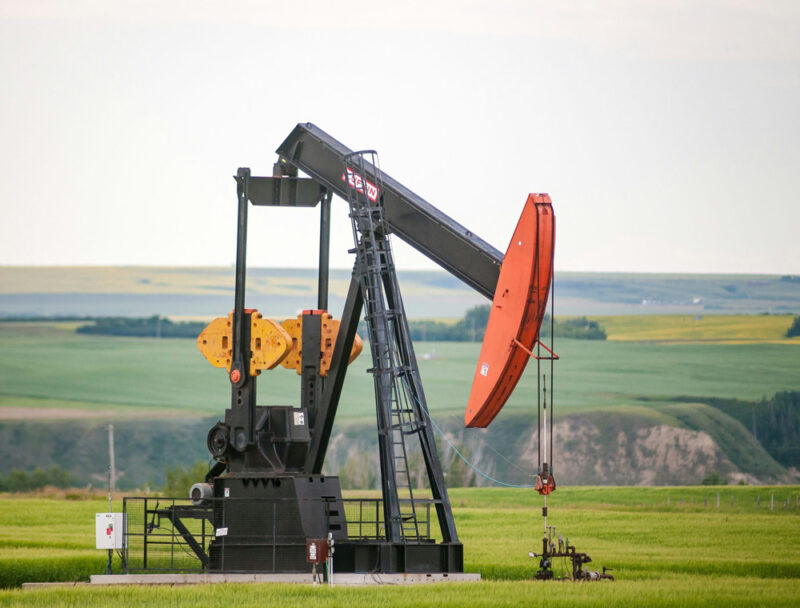 What is the value of mineral rights in Texas? Many owners receive monthly “royalties” off of the rights, but still are unclear as to the true value of their mineral assets. The answer, of course, is the proverbial “it depends.” Not all locations are equal, and market demand changes over time.
Several factors influence the value of mineral rights:
Location of the minerals
Mineral rights located in active drilling areas such Eagle Ford Shale in South Texas and the Permian Basin in West Texas.
Current production
If your property has producing wells, your mineral rights may generate monthly royalty income.
Nearby drilling activity
Even non-producing minerals can have value if operators are leasing or drilling nearby.
Ownership size
Mineral interests are often divided across many heirs, meaning an individual may own only a small fraction of the original property.
Because each situation is different, the best way to proceed is with a professional valuation and cash offer. That’s where a serious buyer can actually give you a real number instead of vague optimism.
Factoid About Texas
Oil has been found across most of the state. Oil and natural gas are the most valuable minerals produced in Texas. They have been produced from most areas of Texas and from rocks of all geologic eras except the Precambrian. All of the major sedimentary basins of Texas have produced some oil or gas. The Permian Basin of West Texas has yielded large quantities of oil since the Big Lake discovery in 1923, although there was a smaller discovery in the Westbrook field in Mitchell County three years earlier. The 1923 discovery, Santa Rita No. 1 in Reagan County, was on University of Texas land, and it and Texas A&M University both have benefitted from the royalties. Although large quantities of petroleum have been produced from rocks of Permian age, production in the area also occurs from older Paleozoic rocks. Production from rocks of Paleozoic age occurs primarily from North Central Texas westward to New Mexico and southwestward to the Rio Grande, but there is also significant Paleozoic production in North Texas. Mesozoic rocks are the primary hydrocarbon reservoirs of the East Texas Basin and the area south and east of the Balcones Fault Zone. Cenozoic sandstones are the main reservoirs along the Gulf Coast and offshore state waters. Source: https://www.texasalmanac.com/articles/history-of-oil-discoveries-in-texas.
Why Sell Your Mineral Rights?
Every situation is different. Here are common reasons people choose to sell: